
WHY WE NEED A PADEL CLUB!
A LOCAL PADEL CLUB BUILT
SUPPORT OUR PROJECT TO BUILD
AN AMAZING FACILITY FOR
OUR COMMUNITY!
Existing padel provision offers limited access for much of the local community
Padel is beginning to establish a presence across Oxfordshire, which is positive and welcome. However, much of the existing provision nearby is not structured to provide regular, inclusive access for the majority of local residents.
Several current venues operate as private members’ clubs or are primarily hospitality-led. While these facilities play an important role, they are not designed around broad community participation, particularly for:
-
families and juniors
-
beginners and people returning to sport
-
those seeking affordable, regular local play
-
informal evening and weekend participation
Some venues also apply age or usage restrictions, which can limit opportunities for children and families to play together and progress within the sport.
There are also new public pay-and-play courts proposed or emerging locally, including in Witney (for example, at Witney Lake, subject to planning). These additions demonstrate clear and growing demand for padel. However, by their nature and scale, they are unlikely on their own to meet the level of sustained participation now emerging across West Oxfordshire.
Eynsham Park Padel Club is intended to complement — not compete with — existing facilities by focusing on:
-
inclusive access for all ages and abilities
-
structured junior, school and pathway provision
-
affordable, regular community participation
-
coaching, social play and year-round use
The aim is not to replace or undermine existing venues, but to fill a clear gap in provision by delivering a community-focused padel club designed around accessibility, participation and long-term public benefit.
West Oxfordshire is growing fast — leisure provision must keep pace
-
West Oxfordshire is experiencing significant planned growth, which brings increased demand for accessible local infrastructure — including sport and leisure.
-
Around 905 new homes per year are planned under the emerging Local Plan
-
Up to 18,000 new homes by 2043 (including contingency)
Growth of this scale directly affects:
-
population size and age mix (more families and older adults)
-
demand for local, convenient sport (evenings, weekends, juniors, women, older adults)
-
pressure on GP services and wider community health provision
Without new leisure infrastructure delivered alongside housing growth, there is a risk that growth becomes unhealthy rather than sustainable.
Local, high-participation sports facilities are a practical and proven way to ensure growing communities remain active, connected and resilient.
-
Prevention is now a national priority — facilities are part of the solution
-
National health policy is increasingly focused on prevention rather than treatment, and on community-based solutions rather than hospital-led care.
Physical activity is one of the most effective prevention tools available. It:
-
reduces the risk of long-term health conditions
-
improves mental wellbeing and resilience
-
supports social connection and confidence
National guidelines recommend:
-
Adults: 150 minutes of moderate activity per week (plus strength work)
-
Children: an average of 60 minutes of activity per day
New housing delivered without new, local sport provision represents a missed opportunity to help residents meet these targets in a realistic and sustainable way.
-
Inactivity, obesity and poor mental health are expensive — and sport reduces demand upstream
Physical inactivity is associated with significant health and economic costs. It is estimated to cost the UK £7.4bn per year, including around £0.9bn to the NHS.
Obesity alone is routinely cited as costing the NHS around £6.5bn annually, with wider impacts across mental health, productivity and social wellbeing.
Regular physical activity reduces the risk of major illnesses such as heart disease, stroke and type 2 diabetes, while also improving mood, reducing stress and supporting long-term mental wellbeing.
When a district plans for substantial population growth, the strategic question becomes clear:
are we building places where it is easy to be active — or places where inactivity becomes the default?
National participation is improving — but a large minority still isn’t active enough, and inequality remains
Sport England’s Active Lives data shows that 63.7% of adults meet recommended activity levels — meaning over a third still do not.
National and local policy therefore focuses not just on participation overall, but on reducing inactivity and inequality of access.
Local facilities matter because convenience, affordability, welcoming environments and social formats are what turn good intentions into weekly habits — particularly for:
-
people returning to sport after years away
-
women and girls
-
older adults
-
those who do not enjoy traditional gym environments
-
people who value social connection alongside fitness
Why padel is particularly well suited to West Oxfordshire’s needs
Padel is not simply “another sport”. It addresses many of the common barriers that prevent people from being active:
-
Low barrier to entry: beginners can rally quickly and feel competent early
-
Highly social by design: doubles play supports friendships, belonging and repeat participation
-
Time-efficient: easy to fit around work and family life
-
Intergenerational: juniors, parents and older adults can all play together
-
Weather-resilient (with covered courts): supporting consistent, year-round participation
In short, padel is a habit-forming sport — and sustained habits are what deliver meaningful long-term health outcomes.
A padel club can deliver measurable public value, not just private recreation
Eynsham Park Padel Club is designed as community infrastructure, with clear and deliverable public benefits.
Access & inclusion
-
Off-peak community access for students, NHS staff, carers and seniors
-
Women-only beginner sessions and “return to sport” programmes
-
Inclusive sessions where feasible
Schools and juniors
-
Curriculum-linked school sessions aligned to daily activity targets
-
Affordable junior access and structured development pathways
Health and wellbeing
-
Opportunities for partnerships with local wellbeing and social-prescribing initiatives
-
Activity that supports confidence, mental health and social connection
Reducing car dependency
-
Sensible siting to serve local catchments
-
Supporting short, local trips for evening and weekend activity rather than travel into Oxford
Taken together, the club is intended to deliver lasting community benefit, supporting healthier lifestyles, social connection and sustainable growth across West Oxfordshire.
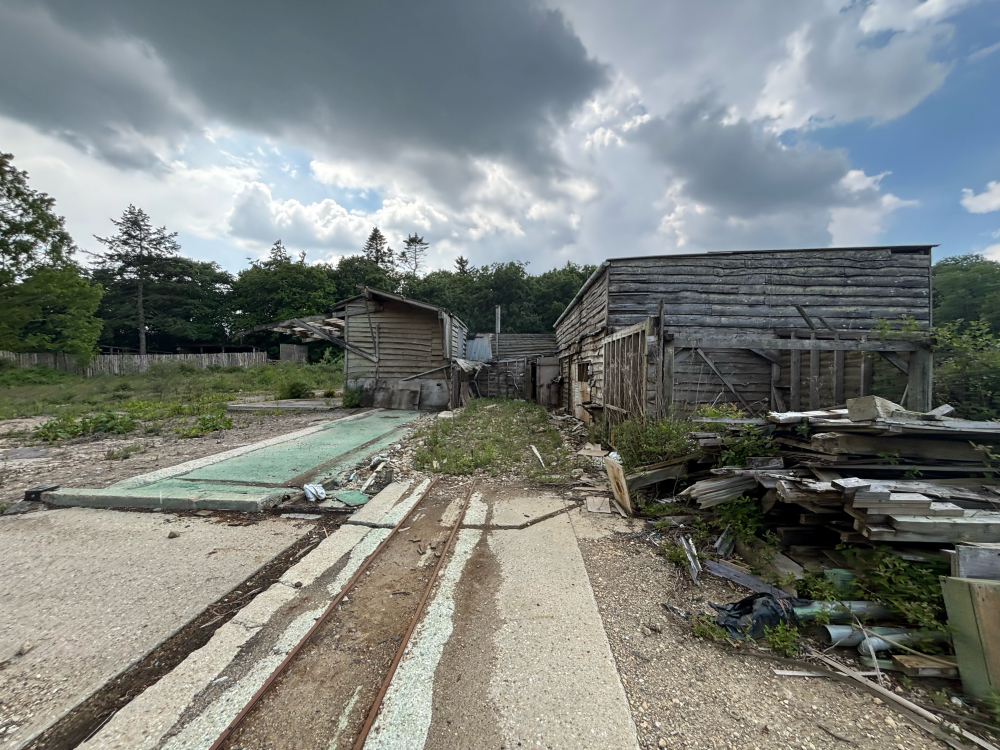
Current brownfield site
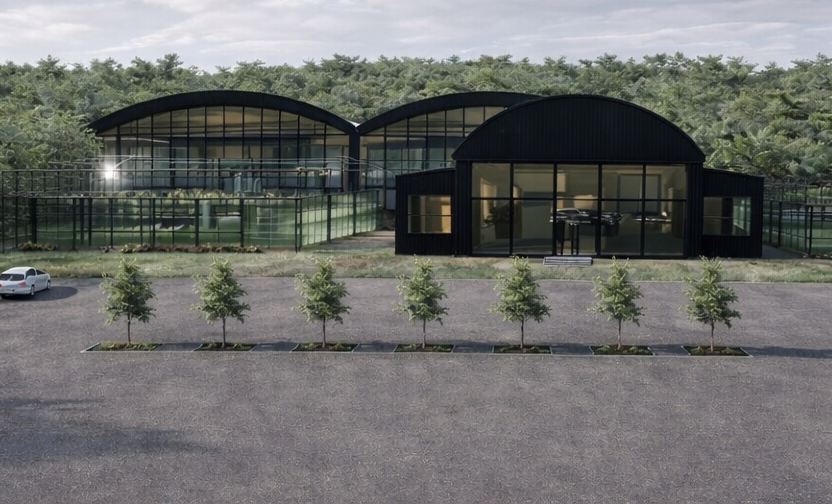
Artist impression of our new club!
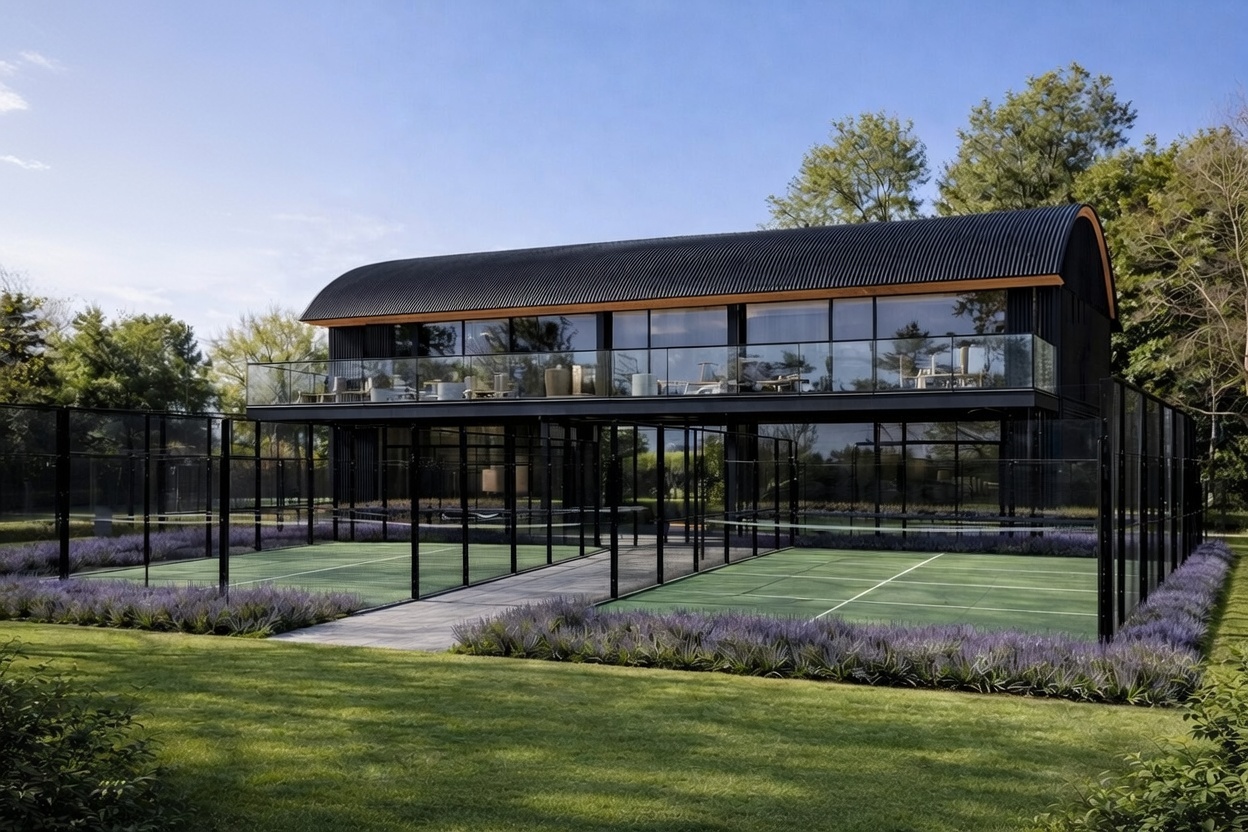
Artist impression of our clubhouse!
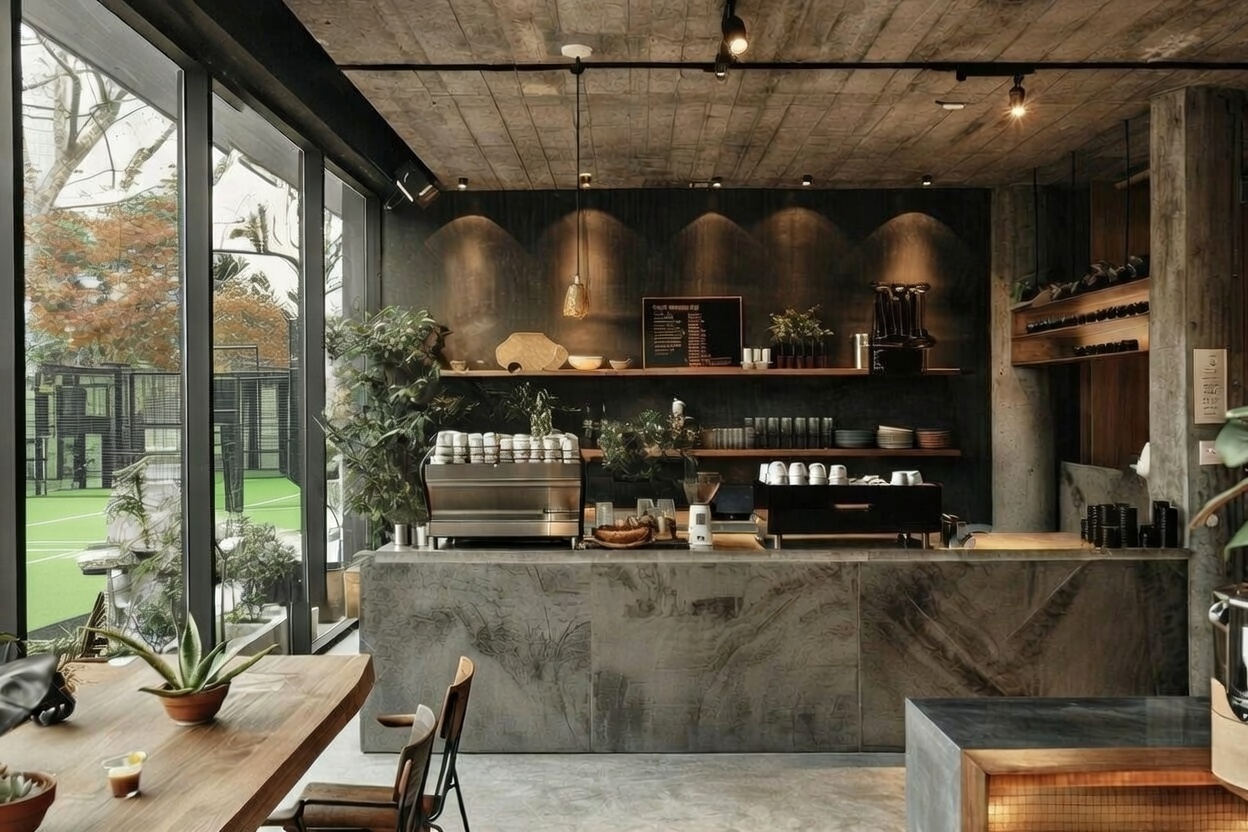
Artist impression of our cafe!
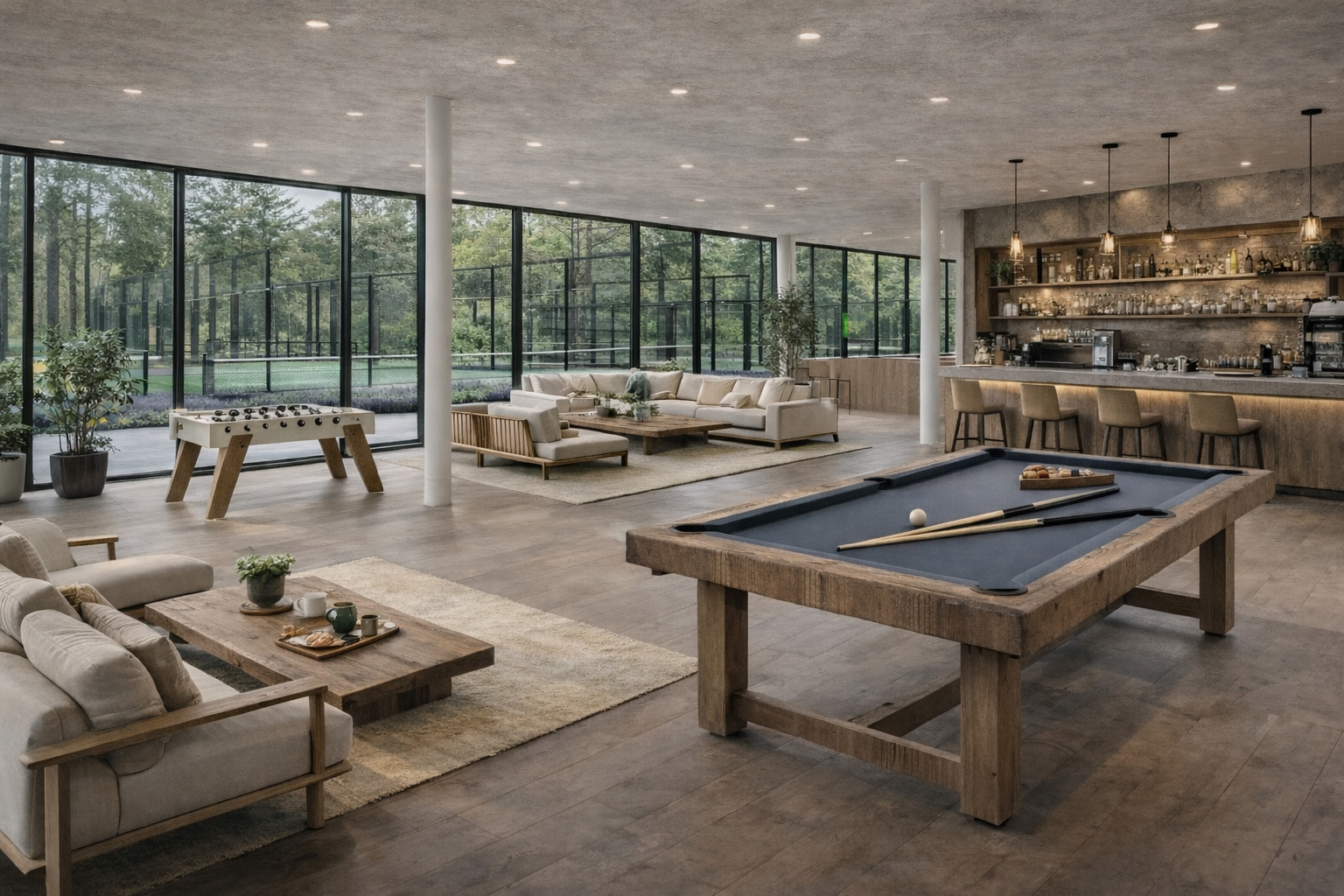
Artist impression of lounge area!
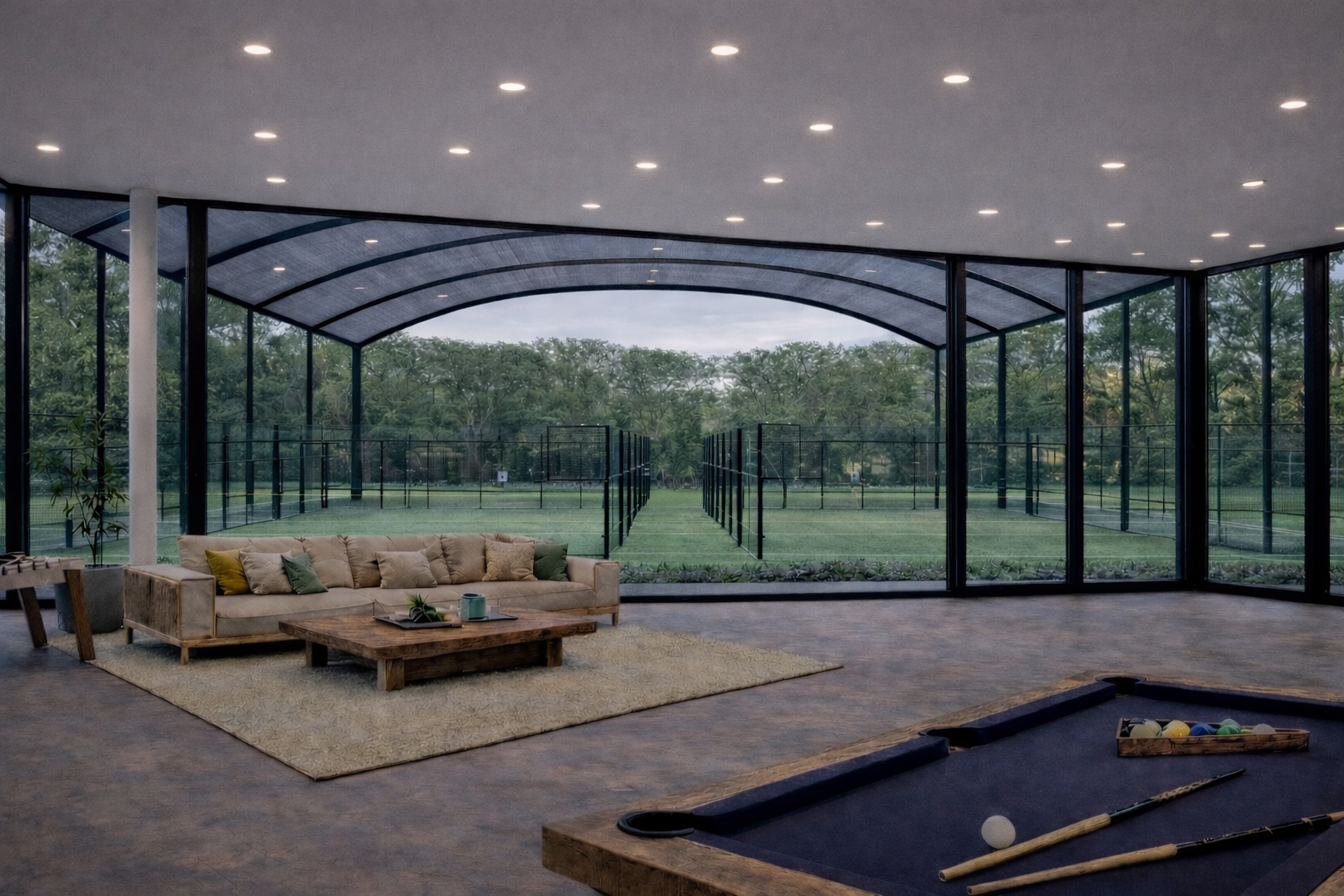
Spectate many courts from the clubhouse!
The site is currently occupied by derelict buildings and areas of redundant hardstanding and has been abandoned for more than seven years. Our proposed padel club represents a sensitive and positive repurposing of this stunning plot, transforming an unused brownfield site into a vibrant, well-maintained and community-focused sporting destination.

WHY WE NEED A PADEL CLUB!
A LOCAL PADEL CLUB BUILT
BY PASSIONATE LOCAL
PLAYERS AND BUSINESSES
SUPPORT OUR PROJECT TO BUILD
AN AMAZING FACILITY FOR
OUR COMMUNITY!
Existing padel provision offers limited access for much of the local community
Padel is beginning to establish a presence across Oxfordshire, which is positive and welcome. However, much of the existing provision nearby is not structured to provide regular, inclusive access for the majority of local residents.
Several current venues operate as private members’ clubs or are primarily hospitality-led. While these facilities play an important role, they are not designed around broad community participation, particularly for:
-
families and juniors
-
beginners and people returning to sport
-
those seeking affordable, regular local play
-
informal evening and weekend participation
Some venues also apply age or usage restrictions, which can limit opportunities for children and families to play together and progress within the sport.
There are also new public pay-and-play courts proposed or emerging locally, including in Witney (for example, at Witney Lake, subject to planning). These additions demonstrate clear and growing demand for padel. However, by their nature and scale, they are unlikely on their own to meet the level of sustained participation now emerging across West Oxfordshire.
Eynsham Park Padel Club is intended to complement — not compete with — existing facilities by focusing on:
-
inclusive access for all ages and abilities
-
structured junior, school and pathway provision
-
affordable, regular community participation
-
coaching, social play and year-round use
The aim is not to replace or undermine existing venues, but to fill a clear gap in provision by delivering a community-focused padel club designed around accessibility, participation and long-term public benefit.
West Oxfordshire is growing fast — leisure provision must keep pace
-
West Oxfordshire is experiencing significant planned growth, which brings increased demand for accessible local infrastructure — including sport and leisure.
-
Around 905 new homes per year are planned under the emerging Local Plan
-
Up to 18,000 new homes by 2043 (including contingency)
Growth of this scale directly affects:
-
population size and age mix (more families and older adults)
-
demand for local, convenient sport (evenings, weekends, juniors, women, older adults)
-
pressure on GP services and wider community health provision
Without new leisure infrastructure delivered alongside housing growth, there is a risk that growth becomes unhealthy rather than sustainable.
Local, high-participation sports facilities are a practical and proven way to ensure growing communities remain active, connected and resilient.
-
Prevention is now a national priority — facilities are part of the solution
-
National health policy is increasingly focused on prevention rather than treatment, and on community-based solutions rather than hospital-led care.
Physical activity is one of the most effective prevention tools available. It:
-
reduces the risk of long-term health conditions
-
improves mental wellbeing and resilience
-
supports social connection and confidence
National guidelines recommend:
-
Adults: 150 minutes of moderate activity per week (plus strength work)
-
Children: an average of 60 minutes of activity per day
New housing delivered without new, local sport provision represents a missed opportunity to help residents meet these targets in a realistic and sustainable way.
-
Inactivity, obesity and poor mental health are expensive — and sport reduces demand upstream
Physical inactivity is associated with significant health and economic costs. It is estimated to cost the UK £7.4bn per year, including around £0.9bn to the NHS.
Obesity alone is routinely cited as costing the NHS around £6.5bn annually, with wider impacts across mental health, productivity and social wellbeing.
Regular physical activity reduces the risk of major illnesses such as heart disease, stroke and type 2 diabetes, while also improving mood, reducing stress and supporting long-term mental wellbeing.
When a district plans for substantial population growth, the strategic question becomes clear:
are we building places where it is easy to be active — or places where inactivity becomes the default?
National participation is improving — but a large minority still isn’t active enough, and inequality remains
Sport England’s Active Lives data shows that 63.7% of adults meet recommended activity levels — meaning over a third still do not.
National and local policy therefore focuses not just on participation overall, but on reducing inactivity and inequality of access.
Local facilities matter because convenience, affordability, welcoming environments and social formats are what turn good intentions into weekly habits — particularly for:
-
people returning to sport after years away
-
women and girls
-
older adults
-
those who do not enjoy traditional gym environments
-
people who value social connection alongside fitness
Why padel is particularly well suited to West Oxfordshire’s needs
Padel is not simply “another sport”. It addresses many of the common barriers that prevent people from being active:
-
Low barrier to entry: beginners can rally quickly and feel competent early
-
Highly social by design: doubles play supports friendships, belonging and repeat participation
-
Time-efficient: easy to fit around work and family life
-
Intergenerational: juniors, parents and older adults can all play together
-
Weather-resilient (with covered courts): supporting consistent, year-round participation
In short, padel is a habit-forming sport — and sustained habits are what deliver meaningful long-term health outcomes.
A padel club can deliver measurable public value, not just private recreation
Eynsham Park Padel Club is designed as community infrastructure, with clear and deliverable public benefits.
Access & inclusion
-
Off-peak community access for students, NHS staff, carers and seniors
-
Women-only beginner sessions and “return to sport” programmes
-
Inclusive sessions where feasible
Schools and juniors
-
Curriculum-linked school sessions aligned to daily activity targets
-
Affordable junior access and structured development pathways
Health and wellbeing
-
Opportunities for partnerships with local wellbeing and social-prescribing initiatives
-
Activity that supports confidence, mental health and social connection
Reducing car dependency
-
Sensible siting to serve local catchments
-
Supporting short, local trips for evening and weekend activity rather than travel into Oxford
Taken together, the club is intended to deliver lasting community benefit, supporting healthier lifestyles, social connection and sustainable growth across West Oxfordshire.
Current brownfield site
Artist impression of our new club!
Artist impression of our clubhouse!
The site is currently occupied by derelict buildings and areas of redundant hardstanding and has been abandoned for more than seven years. Our proposed padel club represents a sensitive and positive repurposing of this stunning plot, transforming an unused brownfield site into a vibrant, well-maintained and community-focused sporting destination.